A Honeymooner’s Guide to Devon
A considered guide for couples choosing calm, privacy and a quieter kind of luxury
A honeymoon is more than just a luxurious romantic break. It arrives after months of planning, social intensity and emotional build-up – at a moment when many couples are more tired than they expect. Often emotionally full, but in need of quiet. Of space. Of time together that doesn’t require organising, explaining or performing.
Devon can be a deeply rewarding honeymoon destination – but it isn’t right for every couple in the same way. This guide isn’t about selling Devon as universally romantic. It’s about helping you decide whether it aligns with the kind of honeymoon you actually want right now, rather than the one you feel you’re supposed to have.
The Question That Matters Most
Rather than asking:
“Is Devon romantic enough for a honeymoon?”
A more revealing question is:
“Do we want our honeymoon to restore us, or to excite us?”
Neither answer is better. But they lead to very different choices.
Devon tends to suit honeymoons shaped around recovery, connection and calm – rather than novelty, momentum or spectacle. For couples who feel ready to slow down after intensity, that can feel quietly perfect. For others, it may feel too gentle for this particular chapter.
When Devon Might Be Right For Your Honeymoon
You’re likely to feel at home here if you:
want time to decompress after the wedding
value privacy over buzz or nightlife
feel restored by quiet landscapes and space
don’t need constant stimulation to feel engaged
like the idea of settling into one place rather than moving around
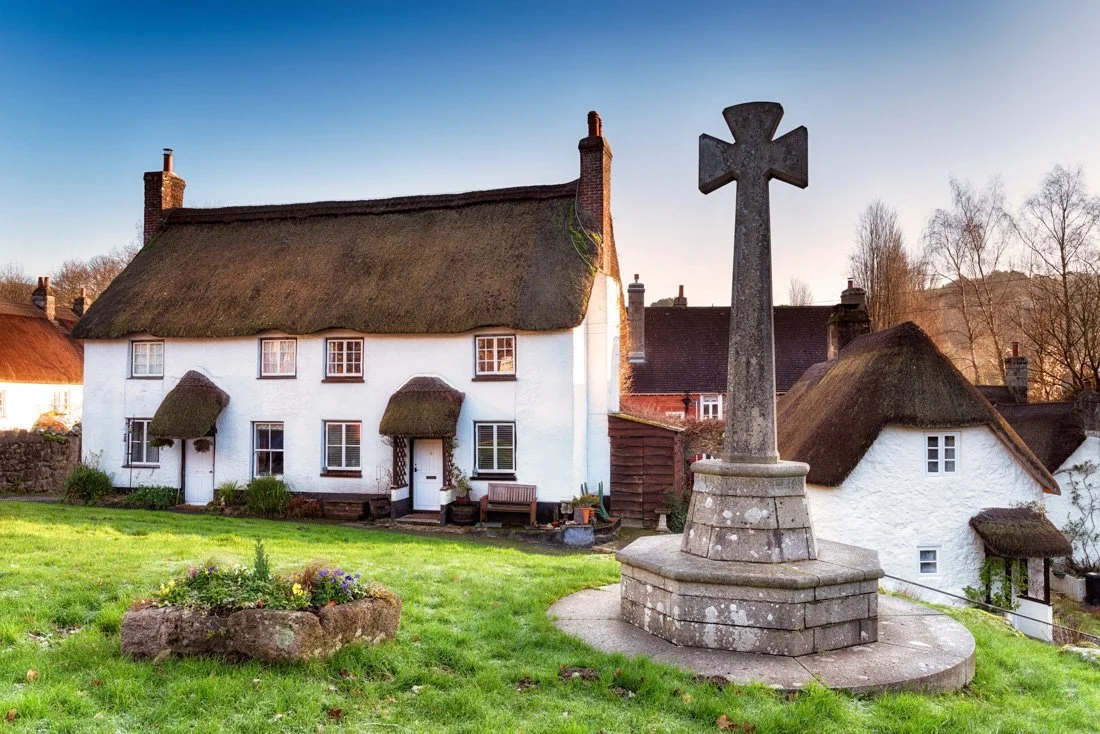
In inland areas shaped more by local life than tourism – such as parts of Dartmoor National Park – this sense of retreat is particularly strong. Open landscapes, dark skies and an unforced pace create an atmosphere that feels grounding rather than distracting.
For couples drawn to a more considered, understated form of luxury, this style of honeymoon often feels deeply right.
When Devon May Not Feel Right For Your Honeymoon
Being honest about this matters.
Devon may feel underwhelming if you:
want your honeymoon to feel energetic and outward-facing
enjoy busy environments, nightlife or visible excitement
associate romance with novelty and constant activity
feel uneasy without a full itinerary
want each day to feel distinctly different from the last
This doesn’t make Devon “less romantic”. It simply means its appeal is quieter and more inward-focused than some destinations. Much comes down to how you imagine spending your time once the wedding is over.
Romance in Devon is subtle, not showy
Devon’s version of honeymoon romance isn’t cinematic in the traditional sense.
It’s more likely to be found in:
long mornings without plans
shared silences that feel comfortable rather than awkward
walks taken slowly rather than “set out”
evenings that aren’t structured around reservations
For some newlyweds, this feels deeply nourishing. For others, it can feel anticlimactic. Knowing which reaction is likely for you is key.
What Makes A Honeymoon Different From A Romantic Break?
Many honeymoons disappoint not because the destination is wrong, but because expectations are misjudged.
A honeymoon often needs:
fewer decisions, not more
privacy rather than stimulation
flexibility instead of fixed schedules
space to decompress after the wedding
Unlike a standard romantic break, honeymoons benefit from containment – a base where you don’t have to be anywhere or do anything unless you want to.
Why Devon Can Work So Well For Honeymoons
Devon’s strength as a honeymoon destination lies in balance.
It offers:
countryside and coast within reach, without pressure to “do it all”
a sense of place that feels lived-in rather than staged
good food and scenery without resort-style intensity
For couples who want their honeymoon to feel personal rather than performative, Devon allows for a gentler start to married life. Inland areas such as Dartmoor are particularly well suited to this pace, with open landscapes, quiet villages and dark skies creating a strong sense of retreat.
When’s the Best Time of Year for a Devon Honeymoon?
Devon works in every season, but each offers a slightly different experience.
Spring (April–May) – fresh colour, light and a sense of quiet re-opening
Summer (June–August) – long days and warmth, though inland areas remain calmer; avoid school holidays if you value peace
Early autumn (September–October) – often a favourite: warm seas, rich colour, noticeably fewer crowds
Winter – fires, empty landscapes and deep quiet for couples drawn to intimacy and retreat
If travelling in busier periods, avoiding Saturday changeover days can make arrival and departure feel far less stressful.
Pace Matters More Than Itinerary
One of the most common honeymoon mistakes is over-planning.
After a wedding, couples are often more tired than they realise. Devon honeymoons work best when:
days have one loose anchor rather than multiple plans
meals remain flexible rather than booked weeks ahead
there’s permission to rest without guilt
Walks, local food, quiet evenings and unstructured time often become the moments couples remember most.
Where you stay matters more than where you go
On a honeymoon, accommodation shapes the experience more than almost anything else.
Many couples find self-contained, owner-run places suit honeymoons particularly well, offering:
privacy from other guests
space to settle rather than pass through
freedom from schedules and shared spaces
Without dining times, housekeeping routines or background noise, days unfold naturally. This sense of containment – having everything you need within a small, calm world – is often what allows couples to truly rest.
Privacy, Calm and Emotional Reset
A honeymoon is often the first uninterrupted time a couple has had together in months.
That’s why privacy matters:
fewer interruptions
less social performance
more room for conversation and stillness
In quieter parts of Devon, this sense of retreat comes naturally, shaped more by local life than tourism.
A note on “doing less”
Some couples worry that choosing somewhere calm means missing out.
In reality, many honeymoons are remembered not for what was done, but for:
long breakfasts without plans
walks taken slowly
evenings that weren’t rushed
Devon offers enough variety to explore when you want to – and enough stillness to stop when you don’t.
So, Is Devon Right For Your Honeymoon?
Devon is a beautiful honeymoon choice if what you want most is:
calm after intensity
space after socialising
presence after planning
quality over quantity
privacy over performance
If that resonates, Devon is likely to feel quietly right – and luxurious in the ways that matter most.
If not, it may be better saved for another chapter.
A successful honeymoon isn’t about choosing the “best” destination. It’s about choosing the one that matches how you feel.
For couples who do choose Devon for their honeymoon, many find that self-contained, couples-only accommodation supports this slower, more restorative style particularly well.
Where To Stay On A Devon Honeymoon
Where you stay matters more on a honeymoon than on most trips. After the intensity of a wedding, many couples value privacy, ease and a sense of retreat over choice or stimulation.
For Devon honeymoons, self-contained accommodation often suits this moment best. Having one calm base removes the need for schedules or shared spaces, allowing days to unfold naturally and unhurried.
In quieter inland areas such as Dartmoor, this feeling of retreat comes easily. The landscape is close, crowds are lighter, and it’s simple to settle into a slower rhythm.
One example is Moorland View, a quietly luxurious, owner-run cottage for couples on Dartmoor, designed for privacy, comfort and walk-from-the-door access to the landscape. With no shared facilities or external demands, it supports a calm, restorative start to married life. If Devon feels like the right fit for your honeymoon, our main honeymoon page outlines how we approach privacy, pace and calm stays for newlyweds.
Frequently Asked Questions
Is Devon suitable for a honeymoon?
Yes – particularly for couples who value privacy, calm and meaningful time together rather than a packed itinerary.
Should a honeymoon be busy or relaxed?
Most couples benefit from a relaxed pace after the wedding. A quieter honeymoon often allows for better rest and deeper connection.
Is Devon better for short or longer honeymoons?
Devon works especially well for shorter honeymoons or mini-moons, where quality time matters more than travel distance.
READ MORE …
→ A comprehensive guide to romantic escapes in Devon, looking at where to stay, when to visit and how to avoid the crowds.
→ Why Dartmoor Is Made for Romantic Escapes
→ Our guide to Devon mini-moons looks at how a shorter, quieter escape can feel just as meaningful.